
Organize Your Home: Expert Tips for Efficiency

Creating an organized home is not just about aesthetics; it’s about enhancing your daily life. A clutter-free environment can lead to increased productivity, reduced stress, and a greater sense of peace. Whether you’re a busy parent, a student, or someone looking to simplify their living space, these expert tips will help you create an efficient and organized home.

Understanding the Importance of Organization
Before diving into the practical tips, it’s essential to understand why organization matters. An organized home can:
Reduce Stress: Clutter can be overwhelming. A tidy space can help you feel more in control.
Save Time: Knowing where everything is can save you precious minutes each day.
Enhance Productivity: A clean environment can boost your focus and efficiency.
Start with a Plan
Assess Your Space
Begin by evaluating each room in your home. Take note of areas that feel cluttered or disorganized. Ask yourself:
What items do I use regularly?
What can I donate or discard?
Are there any spaces that need a complete overhaul?
Set Goals
Once you’ve assessed your space, set specific goals. For example, you might aim to declutter your kitchen by the end of the week or organize your closet by season. Having clear objectives will keep you motivated.
Decluttering: The First Step to Organization
The 3-Box Method
One effective way to declutter is by using the 3-box method:
Keep: Items you use and love.
Donate: Items in good condition that you no longer need.
Trash: Broken or unusable items.
One Room at a Time
Focus on one room at a time to avoid feeling overwhelmed. Start with smaller spaces like a bathroom or closet before tackling larger areas.
Smart Storage Solutions
Utilize Vertical Space
Maximize your storage by using vertical space. Consider:
Shelving Units: Install shelves to store books, decor, or kitchen items.
Hooks: Use hooks for bags, hats, or kitchen utensils.
Multi-Functional Furniture
Invest in furniture that serves multiple purposes. For example:
Ottomans with Storage: Perfect for hiding blankets or toys.
Coffee Tables with Drawers: Great for keeping remote controls and magazines out of sight.
Clear Containers
Use clear storage bins to keep items visible and organized. Label each bin for easy identification. This is especially useful in areas like:
Pantries: Store snacks, grains, and baking supplies.
Craft Rooms: Keep supplies sorted and accessible.
Organizing Specific Areas
The Kitchen
Zone Your Kitchen: Group similar items together, such as baking supplies, cooking utensils, and dishes.
Use Drawer Dividers: Keep utensils and tools neatly separated.
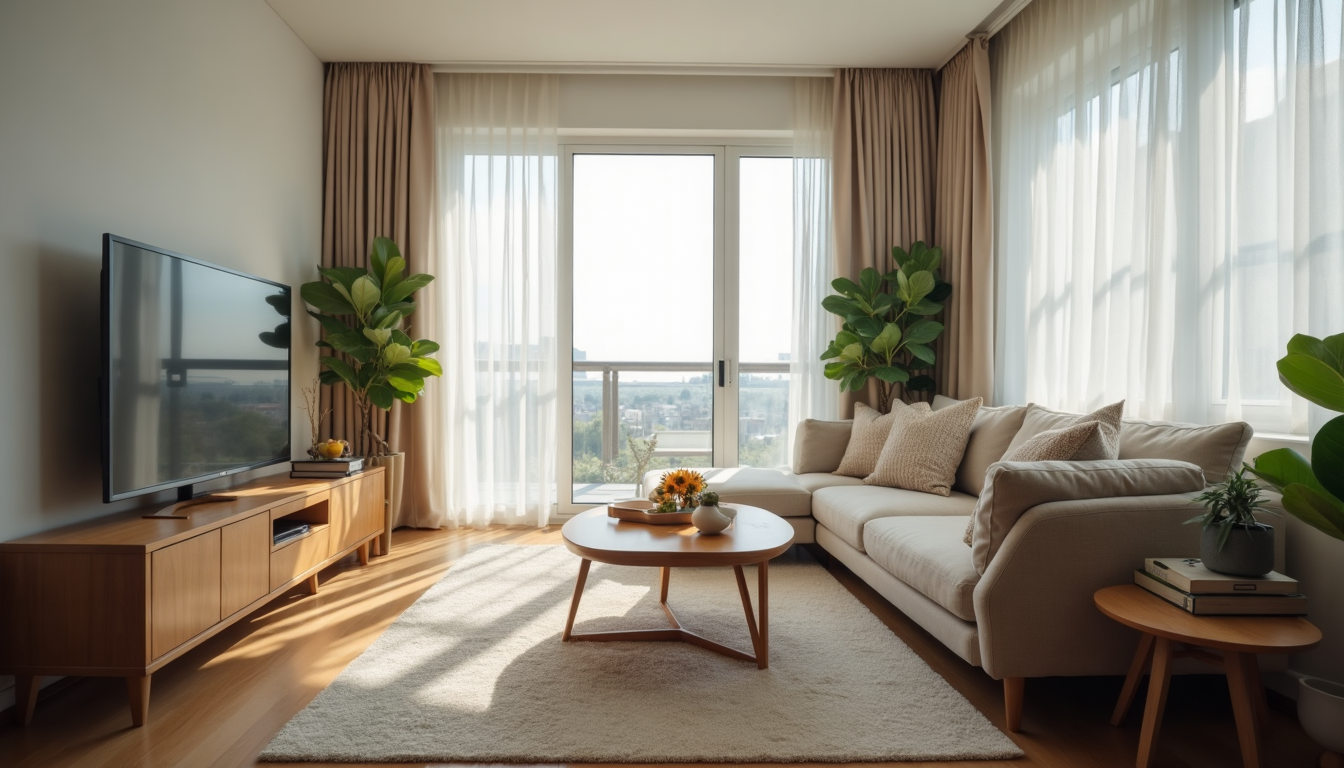
The Living Room
Create a Command Center: Designate a space for mail, keys, and other essentials.
Limit Decor: Choose a few meaningful pieces to display, reducing visual clutter.
The Bedroom
Seasonal Clothing Rotation: Store off-season clothes in bins to free up closet space.
Nightstand Organization: Keep only essentials on your nightstand to create a calming environment.
Maintenance: Keeping Your Home Organized
Daily Habits
Establish daily habits to maintain your organized space. Consider:
10-Minute Tidy-Up: Spend a few minutes each day putting things back in their place.
Weekly Declutter: Set aside time each week to reassess and declutter.
Monthly Reviews
Schedule a monthly review of your home. Check for items that may have accumulated and decide if they need to be kept, donated, or discarded.
Involving the Family
Make It a Team Effort
Involve your family in the organization process. Assign tasks based on age and ability. For example:
Kids: Teach them to put away toys and clothes.
Teens: Encourage them to manage their own spaces.
Create a Family Organization System
Consider implementing a family calendar or a shared to-do list. This helps everyone stay on the same page and reduces chaos.
Conclusion
Organizing your home is a journey, not a destination. By implementing these expert tips, you can create a space that is not only efficient but also reflects your personal style. Remember, the key to maintaining an organized home lies in developing consistent habits and involving your family in the process. Start today, and enjoy the benefits of a clutter-free life!
Comments